
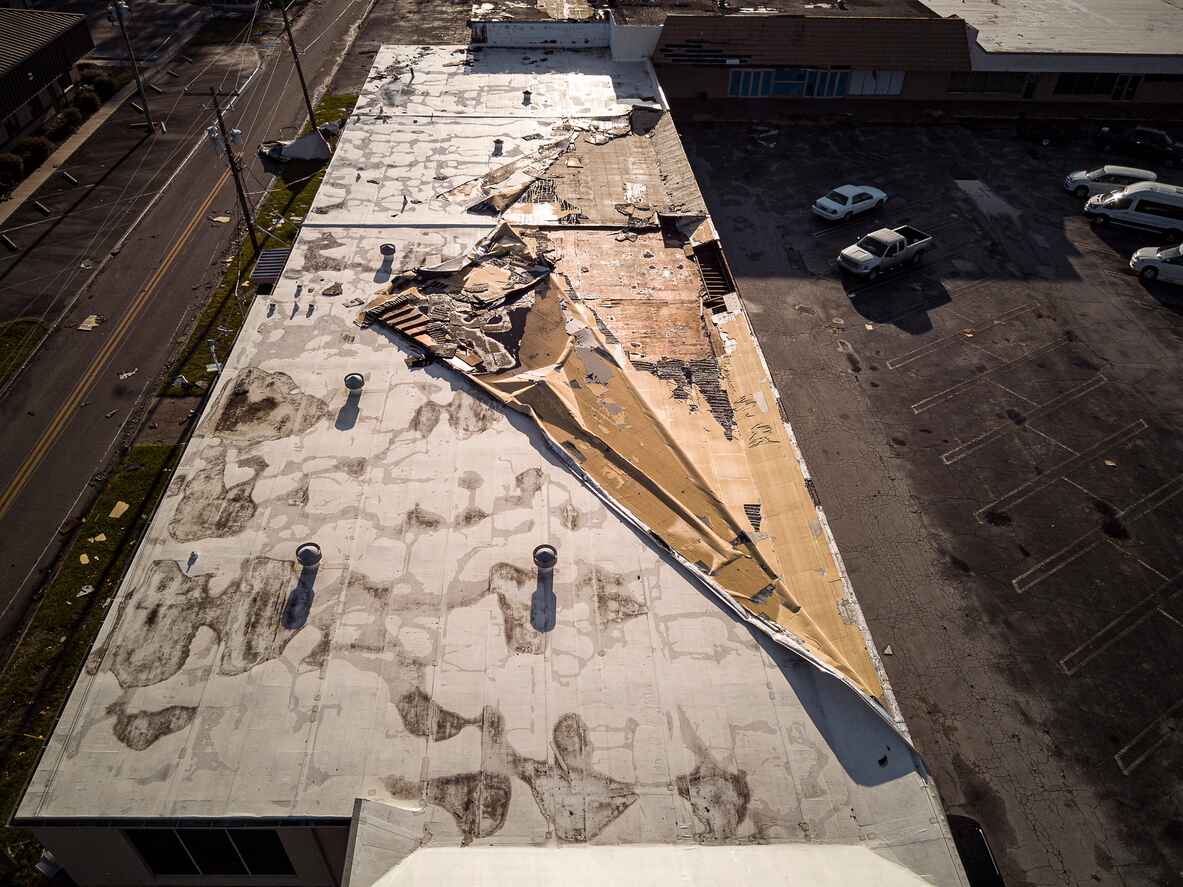
Florida is one of the toughest environments in the country for a commercial roof. Between relentless sun, heavy rain, high humidity, and hurricane-force winds, roofing systems in the Sunshine State take a beating year-round. All of these elements contribute to weather damage on a commercial roof, often faster than many property owners expect.
For property owners and facility managers, that means one thing: what works in other regions does not always hold up in Florida. If your roofing system is not built, installed, and maintained with this climate in mind, you will feel it in repair costs, energy bills, and unexpected downtime. Here is a breakdown of how Florida weather impacts commercial roofing systems and what you can do about it.
Florida’s Climate: A Constant Stress Test for Your Roof
Florida roofs do not get a break. Instead of seasonal wear and tear, they deal with continuous exposure to:
- Intense UV radiation and heat
- High humidity and moisture
- Frequent heavy rainfall
- Hurricanes and strong winds
- Salt air in coastal areas
- Daily temperature fluctuations
Each of these elements chips away at your roof’s performance. Combined, they accelerate aging and increase the likelihood of failure if not properly managed.
UV Radiation and Heat: The Silent Roof Killer
Constant Sun Exposure
Florida’s sun is not just hot, it is relentless. Prolonged UV exposure breaks down roofing materials at a molecular level. Over time, this leads to:
- Loss of flexibility
- Surface cracking and blistering
- Membrane shrinkage
- Fading and coating deterioration
Roof surface temperatures can climb well above ambient air temperatures, especially on dark or uncoated systems. That heat creates expansion during the day and contraction at night, putting constant stress on seams and fasteners.
What to Watch For In Roofing Systems
- Cracks or splits in membranes
- Loose seams or flashing
- Worn or chalky coatings
Left unchecked, these small issues quickly turn into leaks.
Heavy Rainfall and Ponding Water Issues
Frequent Storm Cycles
Florida sees intense, fast-moving storms and extended rainy seasons. That means your drainage system is constantly being tested.
Why Ponding Water Is a Problem
Flat and low-slope commercial roofs are especially vulnerable. When water does not drain properly, it sits, and that creates problems:
- Accelerates membrane deterioration
- Increases the risk of leaks
- Adds weight and stress to the structure
- Encourages algae and organic growth
Even high-performance systems can fail prematurely if water is allowed to pond regularly.
Where Issues Typically Start
- Clogged drains or scuppers
- Improper roof slope
- Low spots from structural settling
Hurricanes and High Winds: Extreme Conditions
Wind Uplift and System Failure
Florida’s hurricane season introduces one of the biggest threats to commercial roofs, wind uplift. High winds can:
- Pull at seams and edges
- Loosen fasteners
- Completely detach sections of roofing systems
The edges and corners of your roof are the most vulnerable areas and often the first to fail.
Flying Debris Damage
Storms do not just bring wind; they bring impact. Debris can puncture membranes, damage flashing, and compromise rooftop equipment.
Hidden Post-Storm Damage
Not all storm damage is obvious. Small punctures or lifted seams can allow moisture to enter beneath the surface, leading to:
- Insulation damage
- Mold growth
- Long-term structural issues
That is why post-storm inspections are critical, even if the roof looks fine.
Humidity and Moisture Intrusion
A Constant Moisture Presence
Florida’s humidity does not just affect the air; it affects your roof system from the inside out. Moisture can become trapped within roofing layers, especially if ventilation or sealing is inadequate.
Long-Term Effects
- Reduced insulation efficiency, which leads to higher energy costs
- Mold and mildew growth
- Deck deterioration
- Premature system failure
Once moisture gets into a roofing system, it spreads quickly and becomes expensive to fix.
Salt Air and Coastal Corrosion
If your property is near the coast, salt exposure adds another layer of wear.
What Salt Does to Roofing Systems
Salt accelerates corrosion, especially on:
- Metal panels
- Fasteners and clips
- Flashing details
- Rooftop mechanical equipment
Why It Matters
Corrosion weakens critical components that hold your roofing system together. Over time, that leads to failures that are not always visible until it is too late.
Thermal Movement: Daily Expansion and Contraction
Florida may not have harsh winters, but it still experiences daily temperature swings. That constant expansion and contraction creates:
- Stress on seams and joints
- Loosening of fasteners
- Separation in flashing details
Over time, these micro-movements add up and create entry points for water.
How Different Roofing Systems Perform in Florida
Not all commercial roofing systems are created equal, especially in this climate.
TPO Roofing
- Pros: Reflective, energy-efficient, cost-effective
- Cons: Seams can weaken over time under UV and heat stress
Metal Roofing
- Pros: Strong, wind-resistant, long lifespan
- Cons: Susceptible to corrosion and thermal movement
Modified Bitumen
- Pros: Durable, multi-layer protection
- Cons: Can become brittle under prolonged heat exposure
Tile Roofing
- Pros: Excellent heat resistance and longevity
- Cons: Heavy and vulnerable to impact damage during storms
Shingle Roofing
- Pros: Cost-effective, widely used, easier to repair in sections
- Cons: More vulnerable to wind uplift, and UV degradation
Choosing the right system is only half the battle. Proper installation and maintenance determine long-term performance.
The Cost of Ignoring Florida Weather Damage
Putting off roof maintenance or inspections in Florida is expensive. Small issues do not stay small for long.
Here is what neglect typically leads to:
- Shortened roof lifespan
- Frequent and costly repairs
- Increased energy bills due to poor insulation
- Interior water damage
- Business disruptions
- Potential insurance claim complications
In many cases, what could have been a minor repair turns into a full replacement.
Proactive Maintenance Strategies That Work in Florida
The key to handling Florida weather is not luck. It is a plan.
Routine Inspections
Schedule inspections at least twice a year and after major storms. Catching issues early is the difference between a repair and a replacement.
Drainage Management
Keep drains, gutters, and scuppers clear. Proper water flow is critical for flat and low-slope roofs.
Sealant and Flashing Maintenance
Check high-risk areas like penetrations, seams, and edges. These are common failure points.
Protective Coatings
Roof coatings can improve UV resistance, waterproofing, and overall durability, especially for aging systems.
Documentation
Keep records of inspections and repairs. This helps with warranty claims, insurance, and long-term planning.
When to Repair vs. Replace
In Florida, the decision is not always straightforward.
Repair May Be Enough If:
- Damage is localized
- The system is relatively new
- There are no underlying structural issues
Replacement Makes More Sense If:
- Leaks are recurring
- Damage is widespread
- The roof is nearing the end of its lifespan
- Moisture has infiltrated insulation or decking
A professional assessment is critical to making the right call.
Choosing Farmers Commercial Roofing in Florida
Not every contractor understands Florida’s demands. Look for a roofing partner that:
- Has experience with Florida-specific weather conditions
- Understands local building codes and wind ratings
- Recommends systems based on performance, not just cost
- Offers responsive service, especially after storms
The right partner does not just install a roof. They help you protect your investment long-term.
Build for Florida, Not Against It
Florida weather is not going to change. Your roofing strategy should. With the right materials, proper installation, and a proactive maintenance plan, your commercial roof can handle the heat, the storms, and everything in between.
If you are unsure about the condition of your roof or want a system built to last in Florida’s climate, Farmers Commercial Roofing can help. From inspections to full replacements, we make sure your roof is ready for whatever Florida throws at it.