
At Farmers Commercial Roofing, we know that choosing the right roofing system is only half the battle. Protecting your investment over the long term is the other. In Florida’s intense environment—marked by strong sun, high humidity, frequent storms, and salt‑air near the coast. Lifespan isn’t just about material specs, it’s about how well the system is specified, installed, and maintained.
We will you through the most commonly used commercial roofing systems and what you can realistically expect in Florida, what drives the differences, and how choosing smarter today means fewer surprises tomorrow.
Florida’s Unique Roofing Environment
Florida presents some of the most demanding conditions for commercial roofs in the continental U.S. In short, even systems that look identical on spec sheets may live substantially shorter lives in Florida if not engineered and maintained for our climate.
- UV & thermal cycling: Our high solar exposure accelerates membrane breakdown, embrittlement, seam failure, and material fatigue.
- High humidity & salt air (especially near the coast): Contribute to corrosion, algae/mold growth, and reduced reflectivity of light‑colored membranes.
- Storms and wind loads: From hurricanes to heavy thunderstorm winds, roof systems must be designed accordingly with proper drainage, wind‑uplift resistance, and quality installation.
- Flat/low‑slope commercial roofs: Common in commercial properties, these roof types exacerbate exposure to ponding water, edge details, and drainage issues if not properly managed.
Material Lifespan Snapshot
| System Type | Typical Lifespan (Florida) | Key Considerations |
| TPO (60‑80 mil) | ~20‑30 years | Membrane thickness, seam quality, drainage, maintenance |
| PVC | ~20‑30 years | Budget higher, chemical resistance strong, reflectivity important |
| EPDM | ~20‑30 years | Foot traffic, repairs, UV challenge (especially older black systems) |
| Mod‑Bit / BUR | ~15‑25 years | Drainage/ponding risks, heat & humidity weakens bonds |
| Metal (premium materials/coating) | ~35‑50+ years | Correct material/coating, coastal vs inland variation |
| Metal (standard) | as low as ~10‑20 years in harsh salt or neglected cases | Corrosion, fastener issues, maintenance lacking |
Lifespan by Roofing System
Below is a breakdown of key commercial roofing systems and how their lifespans tend to stack up in Florida when done right. Done right to us means: installed well, specified correctly, and given proper maintenance.
Single‑Ply Membranes (TPO, PVC, EPDM)
TPO (Thermoplastic Polyolefin):
- Very popular on flat/low‑slope commercial buildings thanks to energy‑saving reflective surfaces and cost‑effectiveness.
- Typical expected life in general is in the 20–30 year range—but in Florida’s harsher conditions, proper specification is critical.
- Example: A TPO membrane installed at 60‑mil thickness in a typical Florida facility might realistically target 20–25 years if maintained. Systems at 45‑mil may fall short of 15–18 years.
PVC (Polyvinyl Chloride):
- Excellent chemical resistance, strong welded seams, and good energy performance (often white membranes).
- Lifespan often quoted at 20‑30 years under good conditions.
- Higher upfront cost, but in industrial or high‑chemical‑exposure settings, the investment can pay off.
EPDM (Ethylene Propylene Diene Monomer):
- A synthetic rubber membrane, long used for flat roof systems. Good durability, though not always as reflective or as resistant to thermal cycling as TPO or PVC.
- Lifespan in Florida: roughly 20–30 years, depending on foot traffic, UV exposure, maintenance.
Modified Bitumen (Mod‑Bit) & Built‑Up Roofing (BUR)
- Mod‑Bit: Asphalt‑based, layered system designed to be durable; commonly used historically on low slope commercial roofs. Under Florida conditions, expect roughly 15–25 years if well managed.
- BUR (Tar & gravel systems): One of the oldest low‑slope methods. Realistically in Florida: maybe 15–30 years, sometimes less, depending on drainage, coating, exposure.
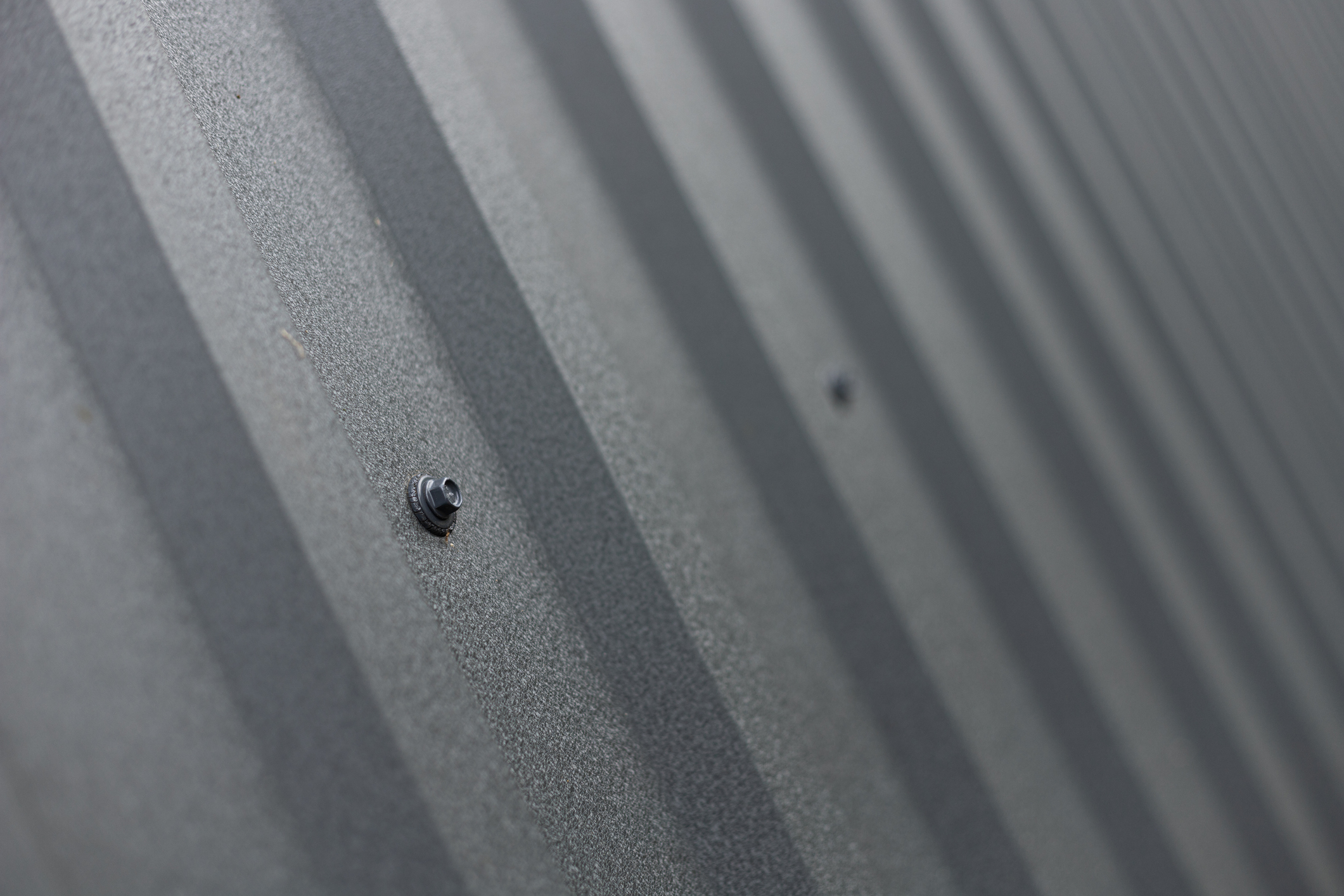
Metal Roofing
- When properly installed, metal roofs are the longevity champion: 30–50 years or more, even up to 70+ years in some cases.
- But Florida adds caveats: coastal environments demand corrosion‑resistant materials (aluminum, stainless) and premium coatings (PVDF). Without them, lifespan can shrink significantly (some inland reports show 15 years in worst cases).
What Drives Real‑World Lifespan Differences?
It’s not just the material—three major factors determine whether a roof hits, exceeds—or falls far short of—its expected life:
Specification & installation quality
- Choosing thinner membranes, less durable fasteners, lower grade materials leads to shorter lifespan.
- Example: A TPO roof at 45‑mil may wear out in 15–18 years vs an 80‑mil version at 22‑25+ years in Florida conditions.
- Metal roofing installed with minimal corrosion protection or inadequate coatings may fail far quicker near the coast.
Maintenance & inspection regimen
- Regular professional inspections, debris cleanup, drainage management, prompt repairs make a huge difference. Some sources show lifespan can be extended by 25%–50% when properly maintained.
- In Florida, we recommend at least twice‑annual inspections (pre/post storm season) plus after any major weather event.
Environmental and operational conditions
- Florida’s heat, UV, storms, humidity, and salt air create accelerated aging. Roofs without reflectivity, proper drainage, or ventilation will degrade faster.
- Proximity to the coast, building design, rooftop foot traffic, HVAC and equipment placement all influence wear.
What This Means for You (and How to Maximize Lifespan)
- Flat/low‑slope buildings: Single‑ply membranes (TPO, PVC, EPDM) can be cost‑effective—but only if you specify properly (60‑80 mil or higher), ensure drainage compliance, and maintain.
- Buildings near coast or high‑wind zone: Consider metal roof systems with premium coatings and corrosion‑resistant materials, or high‑end membrane systems with top‑tier specs.
- Budget vs lifespan trade‑off: A cheaper membrane may get you 15 years, but budgeting for a premium system plus ongoing care can give you decades of reliable performance.
- Maintenance matters: At Farmers Commercial Roofing, our inspections include infrared moisture scanning, drain/debris management, and post‑storm assessments to help the system live closer to its full potential.
- Lifecycle planning: Understand that the total cost includes not just installation, but replacement cycles, maintenance, downtime and disruptions. Longer lifespan systems often deliver significantly better ROI.
Important Takeaways for Facility & Property Managers
To ensure your commercial roof performs over the long haul, it’s essential to choose systems specifically designed for Florida’s extreme conditions. National averages simply don’t apply here. Regular maintenance is just as critical; biannual inspections, infrared moisture scanning, proper drainage, and proactive care can dramatically extend your roof’s lifespan.
When budgeting, think beyond the initial cost. Investing in a longer-lasting system reduces future disruptions, emergency repairs, and replacement downtime. Most importantly, work with a trusted local partner who understands Florida’s unique roofing challenges, from hurricane readiness to relentless UV exposure.
At Farmers Commercial Roofing, we’re committed to helping businesses in the community choose the right system, maintain it vigilantly, and get every year of performance out of your investment—even in Florida. Contact us today to talk about your facility’s roof system, maintenance plan, or replacement strategy.